
RNG Process
The no BS story of biogas.

What is RNG?
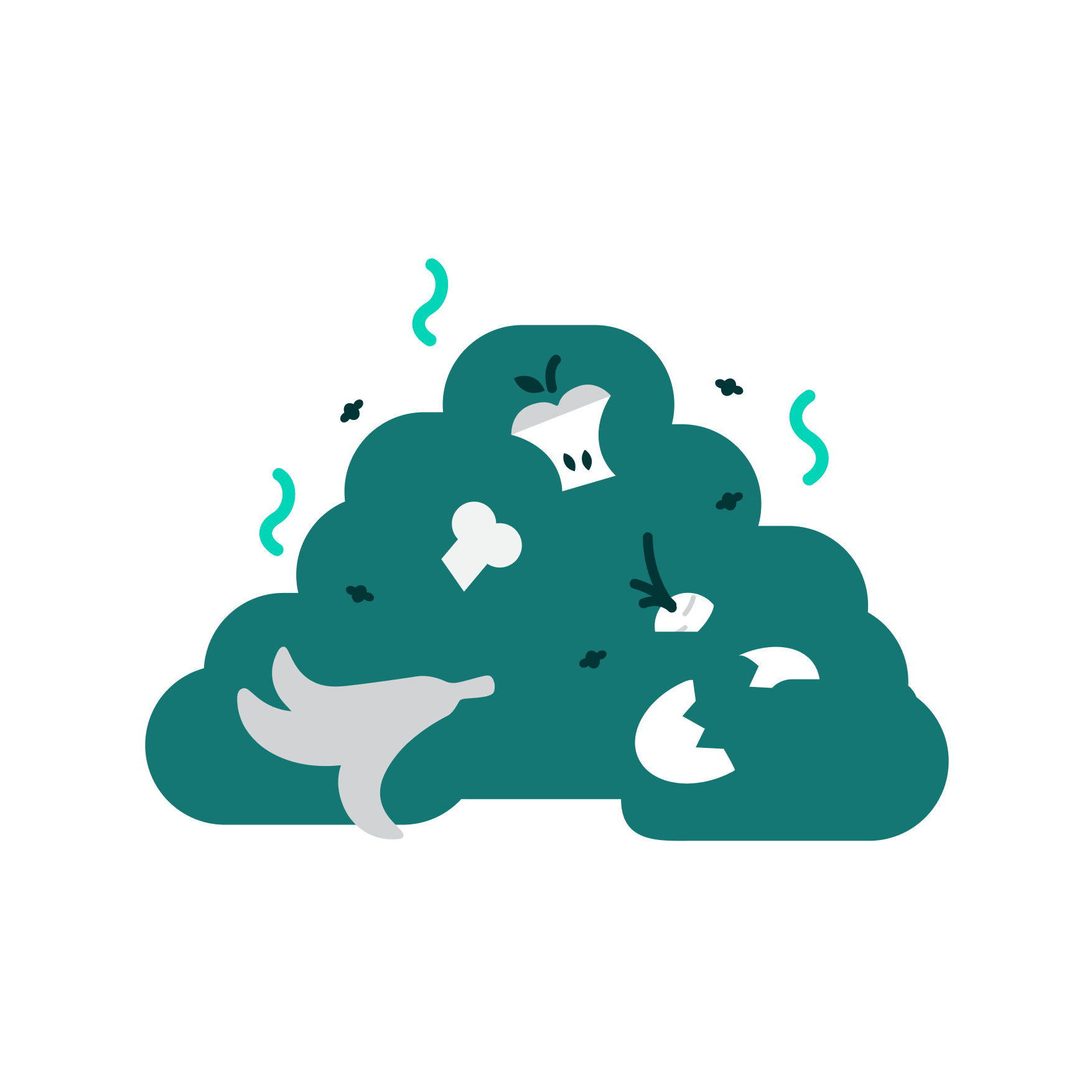
Renewable natural gas (RNG) is carbon-negative energy created by breaking down existing organic materials, like cattle manure or food waste. When organic materials decompose, they naturally release methane into the atmosphere. Before this greenhouse gas can escape, we put the waste to work, by capturing and purifying it to create renewable natural gas (RNG). The RNG process has the potential to reduce global greenhouse gas emissions equivalent to 10-13 percent of the world’s current greenhouse gas emissions.

Our Taurus RNG Process
The Taurus RNG process has been proven to optimize energy output with proprietary technologies and unparalleled expertise. A unique element of our process is the inclusion of carbon sequestration, which goes beyond the standard RNG process and embraces the concept of Bioenergy with Carbon Capture & Storage (BECCS). The step-by-step process outlined here illustrates an agriculture project converting manure to RNG, but a similar process can be applied to food waste or other biogas projects.

STEP 1
Feedstock collection
Livestock manure is collected from the farms on a frequent basis to ensure best quality and will be transported to the facility by truck. The facility processes 100% manure only; no external feedstock will be brought into the facility. The manure is stored inside the processing building to contain any potential odours generated by the stockpile.
STEP 2
Feedstock processing
Inside the processing building, manure is fed into the pre-treatment system and diluted with digested and processed water to create a slurry and to remove rocks and small stones. The vast majority of the liquid utilized for manure dilution is recirculated into the process; the remaining process water will be sourced from an existing water licence holder.

STEP 3
Anaerobic digestion
The slurry is pumped into fully enclosed tanks where it will be maintained at 40 degrees Celsius in an oxygen-free environment for up to 30 days. During this step, natural microbiological processes will break down the organic material to produce two products: biogas and nutrient-rich digestate.
STEP 4
Biogas upgrading
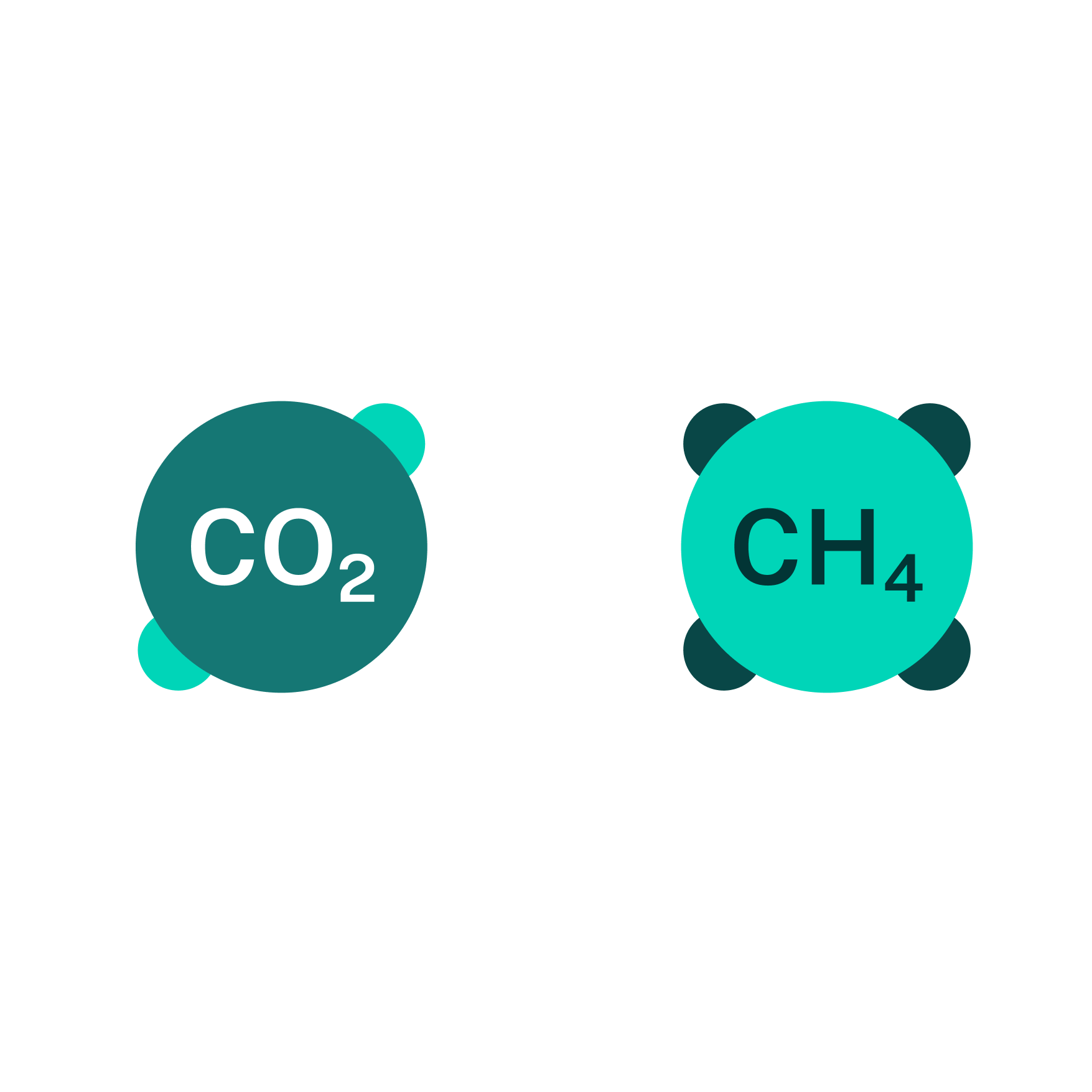
The gas clean-up system will remove carbon dioxide (CO2) and other impurities from the biogas to upgrade its quality and meet pipeline specification. The resulting product is clean biomethane ready for transfer into the pipeline.
STEP 5
Carbon capture
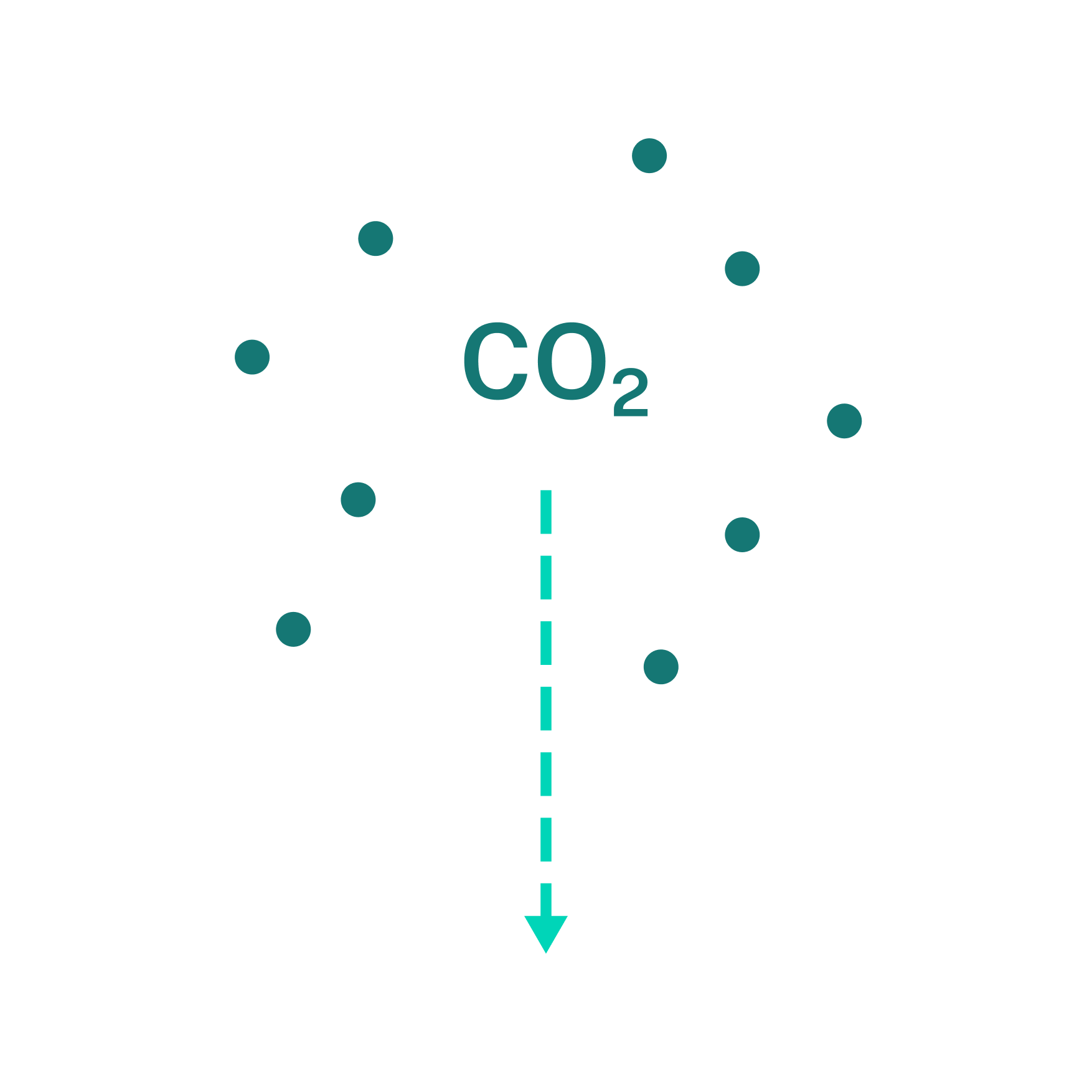
This biogenic CO2 captured through the biogas upgrading process is sequestered back into the earth so it does not end up in the atmosphere.
STEP 6
Transfer to pipeline
The facility is hooked up to an existing pipeline on-site to safely transfer the renewable natural gas created. In partnership with our utility partners, the natural gas is delivered through the pipelines to power communities and homes across the country.


STEP 7
Nutrient recycling
After the digestion process, the digestate is processed through a nutrient recovery system to harvest valuable nitrogen. The processed liquid is recycled to the head of the facility to reduce water consumption by up to 70%. The solid digestate, rich in phosphorous, nitrogen, and potassium, will be spread onto agricultural land, as is currently being done with livestock manure. The liquid digestate will be collected in an on-site lined and covered lagoon waiting for liquid application on farm land during the farming season. Liquid digestate is a valuable source of readily available nitrogen to enhance plant growth and displace synthetic urea.


